Home › Canada PNP › Best PNP Option in 2026 Without a Job Offer
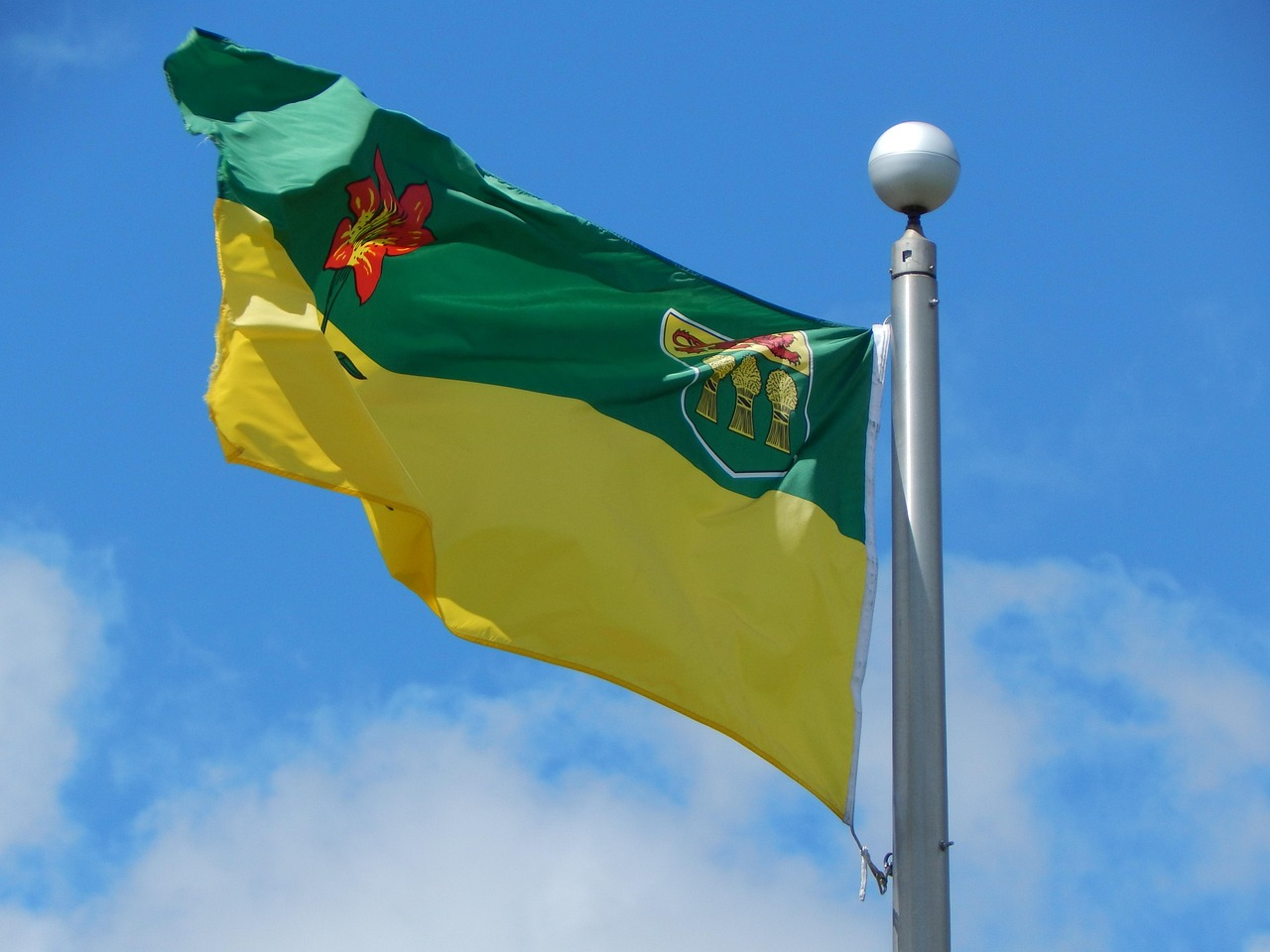
The best PNP option in 2026 without a job offer is Saskatchewan (SINP). After a major redesign in December 2025, Saskatchewan now explicitly welcomes overseas applicants in seven priority sectors (healthcare, agriculture, skilled trades, mining, manufacturing, energy, and technology) with no job offer required and no domestic quota restrictions. Alberta (AAIP) is the strong second choice, with 5,791 nominations still available as of early March 2026 and ongoing draws for construction, agriculture, aviation, and manufacturing candidates. Ontario and PEI remain effectively closed to outland applicants without job offers.
Key Takeaways for 2026
- Saskatchewan SINP is open again for overseas applicants in priority sectors. No job offer required. No 75% in-Canada quota in 2026
- Alberta AAIP has 5,791 nominations remaining and issued nearly 900 invitations in late February 2026 alone
- Newfoundland’s Priority Skills NL issued 445 invitations on March 6, 2026. A fast-track route for ICT, healthcare, and aquaculture professionals
- Ontario eliminated its Human Capital Priorities stream. It will not reopen for outland applicants in 2026
- Your occupation is more important than your CRS score for provincial selection right now
- Alberta’s minimum CRS is just 300, but your provincial score and sector alignment drive selection
- Saskatchewan requires professional licensure for engineers, IT professionals, and some healthcare roles before applying
Which Provinces Are Open in 2026? Quick Comparison
The table below summarises the current status for outland candidates (those living outside Canada) who do not have a pre-arranged job offer.
| Province | Status for Overseas | Job Offer Needed? | 2026 Allocation | Top Sectors |
|---|---|---|---|---|
| Saskatchewan (SINP) | Open: Priority Sectors | No | 4,761 (min. 2,381 for priority sectors) | Healthcare, Trades, Agriculture, Energy, Tech, Mining, Manufacturing |
| Alberta (AAIP) | Open: Priority Sectors | No (for construction, agri, aviation, manufacturing) | 6,403 (5,791 remaining as of late Feb 2026) | Construction, Agriculture, Aviation, Manufacturing |
| Newfoundland (Priority Skills NL) | Open: Appendix A Occupations | No | Limited | ICT, Healthcare, Aquaculture |
| Nova Scotia (NSNP) | Passive: EOI only | No, but selection is sporadic | Limited | Healthcare, Francophones |
| Manitoba (MPNP) | Conditional: SRI required | No, but provincial connection required | Limited | Agriculture, Trades, Bilingual |
| Ontario (OINP) | Closed to overseas | Yes (all 2026 streams) | 14,119 (all employer-backed) | N/A for outland without job offer |
| PEI | Effectively closed | De facto yes | Limited | N/A for outland without job offer |
Sources: Government of Saskatchewan, Alberta.ca, Government of NL, CIC News. Data current as of March 16, 2026.
What Changed in 2025–2026 That Made the Old Rules Obsolete
If you researched PNPs before 2025, most of what you found no longer applies. The program landscape shifted dramatically in eighteen months.
In 2025, the federal government cut PNP allocations by roughly 50% nationally. Housing pressure, healthcare strain, and infrastructure concerns drove the decision. Saskatchewan dropped from around 8,000 nominations in 2024 to just 3,625 at the start of 2025. That’s a 55% cut in a single year.
The federal government also introduced a rule requiring 75% of all PNP nominees to already be temporary residents living in Canada. That policy hit overseas applicants hard. Saskatchewan froze its overseas draws. Ontario followed. Most provinces shifted to nominating only people already working inside the country.
Then 2026 arrived and several things reversed:
- Canada’s total PNP allocation increased to 91,500 nationwide, a significant recovery from the 55,000 low point
- The 75% temporary-resident quota was not re-imposed on Saskatchewan for 2026, freeing the province to recruit from overseas again
- Saskatchewan enacted a complete structural redesign of the SINP, creating a clear sector-based framework with explicit overseas access for priority sectors
- Alberta maintained its aggressive draw schedule, issuing hundreds of invitations per month in early 2026
- Newfoundland launched its first major 2026 draw in March, issuing 445 invitations
The door to permanent residence from overseas, without a job offer, is open again in 2026. But only for the right occupations, in the right provinces. Everything that follows tells you exactly which ones.
The real question is: will you walk through it, or watch others do it?
Saskatchewan (SINP) 2026: The Best Option for Overseas Applicants
Saskatchewan is the single strongest choice for most outland professionals without a job offer in 2026. I’ve been saying this since the December 2025 redesign was announced. The mechanics back it up.
Why Saskatchewan Stands Out
After years of frozen overseas draws, Saskatchewan completely overhauled the SINP in December 2025. The new structure is clear: priority sector candidates (overseas, no job offer) get continuous intake year-round and at least 50% of all 4,761 nominations.
The federal government did not reimpose the 75% in-Canada quota on Saskatchewan for 2026. That single policy decision changes everything. Saskatchewan can now recruit directly from overseas to fill its labour shortages.
In consultations since January 2026, the strongest overseas results I’ve seen are coming from candidates in SINP priority sectors. The pipeline is real and it’s moving.
Saskatchewan’s 2026 Priority Sectors (Open to Overseas)
If your occupation falls in any of the following sectors, you can apply directly from overseas:
- Registered nurses
- Licensed practical nurses
- Pharmacists
- Lab technologists
- Paramedics
- Electricians
- Plumbers & pipefitters
- Welders
- Heavy equipment operators
- Carpenters
- Software engineers
- Systems analysts
- Database analysts
- IT project managers
- Cybersecurity specialists
- Agricultural managers
- Farm supervisors
- Agricultural service contractors
- Livestock specialists
- Petroleum engineers
- Mining engineers
- Drilling supervisors
- Energy systems operators
- Industrial mechanics
- Manufacturing engineers
- Production supervisors
- Quality control technicians
Capped sectors (NOT open to overseas applicants): Accommodation & Food Services (hospitality), Trucking, and Retail Trade. Candidates in these sectors must be in Saskatchewan on a work permit expiring within six months to apply.
SINP Eligibility Basics for Overseas Applicants
- At least one year of full-time paid work experience (TEER 0, 1, 2, or 3) in your field within the past 10 years (two years for skilled trades, within the past five years)
- Minimum CLB 4 language score for the Occupations In-Demand (OID) stream; CLB 7 required if applying through the Express Entry-linked stream
- Post-secondary education or apprenticeship comparable to Canadian standards (foreign degrees need an Educational Credential Assessment)
- Score at least 60 points on Saskatchewan’s 110-point EOI grid
- For the Express Entry sub-stream: an active federal Express Entry profile
Skip this step and your file doesn’t move. Simple.
Start this months before you dream of applying.
Some regulated professions require a letter from a Saskatchewan regulatory body before immigration authorities will process your application:
Engineering: Registration letter as an Engineer-in-Training from APEGS
IT (Software Designers and select roles): Candidate or Certified Membership from CIPS
Skilled Trades: Certificate of Qualification from SATCC or a Red Seal
Certain Healthcare Roles: Licensure from SSMLT (lab technologists) or SCoP (paramedics)
I’ve seen strong candidates lose months because they didn’t know this requirement existed. A licensed RCIC can confirm exactly what your NOC code requires before you waste time submitting an incomplete file.
SINP Processing Times in 2026
Saskatchewan has published an official processing time target of 16 weeks (4 months) for complete International Skilled Worker applications in 2026.
SINP Strategy: What to Do Now
- Check the Excluded Occupations List. Saskatchewan doesn’t have a restricted in-demand list. Instead, it publishes occupations that are excluded. If your NOC is not on the exclusion list and falls in a priority sector, you are eligible. Check the official Saskatchewan government website.
- Start regulatory body registration immediately. If your profession requires APEGS, CIPS, or SATCC registration, begin this process now. It takes weeks to months. Missing this step delays everything.
- Get your ECA done. All foreign degrees need an Educational Credential Assessment from an IRCC-approved agency (such as WES or ICAS). Allow 1–3 months for this process.
- Take your language test. IELTS, CELPIP, PTE Core, TEF, or TCF Canada are all accepted. Results must be no older than two years when you apply. Aim for the highest score you can achieve.
- Submit your SINP EOI. Build your profile in Saskatchewan’s OASIS system. Maximize every point category: education, experience, language, Saskatchewan connections (family, previous study, previous work).
Alberta (AAIP) 2026: Massive Allocation, Aggressive Draws
Alberta is moving fast. As of late February 2026, the province had used only 612 of its 6,403 nominations, leaving 5,791 spaces for the rest of the year. That’s 91% of the allocation still available in March.
Alberta’s 2026 Draw Activity (Verified Data)
| Draw Date | Stream / Pathway | Min. Score | Invitations |
|---|---|---|---|
| February 20, 2026 | Priority Sectors (Energy, Tech, Agri-food) | 56 | 831 |
| February 20, 2026 | Alberta Opportunity Stream (Priority Sectors) | Various | 831 combined |
| February 24, 2026 | Tourism & Hospitality Stream | 73 | 68 |
| February 19, 2026 | Express Entry: Priority Sectors (Construction) | 61 | 50 |
| February 17, 2026 | Express Entry: Priority Sectors (Agriculture) | 49 | <10 |
| February 12, 2026 | Express Entry: Priority Sectors (Manufacturing) | 50 | 32 |
| February 11, 2026 | Accelerated Tech Pathway (job offer required) | 59 | 147 |
| January 26–Feb 2, 2026 | Multiple streams (AOS, Healthcare, Tech) | 45–various | 1,169 |
Sources: Alberta.ca processing information, CIC News, VisaHQ. Data current as of March 2026.
Which Alberta Streams Are Open to Overseas Applicants Without a Job Offer?
This is the most important question for outland candidates. Alberta has multiple pathways. Not all are accessible from overseas without a job offer.
Open to overseas without a job offer:
- Alberta Express Entry Stream, Priority Sectors: Targets construction, agriculture, aviation, and manufacturing. Operates by passive NOI from the federal Express Entry pool. Minimum CRS: 300.
Require a job offer or Alberta employment:
- Accelerated Tech Pathway: Requires an Alberta employer job offer for expedited processing
- Dedicated Healthcare Pathway: Requires an Alberta job offer to trigger the expedited process
- Alberta Opportunity Stream (AOS): Primarily for workers already employed in Alberta with valid status
Alberta AAIP Requirements for Overseas Candidates
- Active federal Express Entry profile (FSWP, FSTP, or CEC)
- Minimum CRS score of 300
- Primary occupation in Express Entry profile must align with a priority sector (construction, agriculture, aviation, manufacturing)
- Province of interest set to Alberta in your federal profile
- No direct application. Alberta issues Notifications of Interest to selected candidates from the federal pool
Your Alberta Strategy
Alberta selects you. You cannot apply directly. Your job is to be visible in the federal Express Entry pool with your occupation correctly listed and Alberta marked as your province of interest. Then you wait for a Notification of Interest to land in your account.
The February 2026 draws had minimum provincial scores of 49–61 for priority sectors. That’s achievable for most skilled professionals with 2–5 years of experience and CLB 7+ language scores. Your CRS matters less than your NOC.
Newfoundland & Labrador: Priority Skills NL 2026
Most people I speak with have never considered Newfoundland. If your occupation is on their Appendix A list, that’s a mistake.
On March 6, 2026, Newfoundland and Labrador issued 445 invitations in its first major draw of the year: 362 under NLPNP and 83 through the Atlantic Immigration Program, targeting offshore energy, healthcare, and ICT professionals.
Who Can Apply to Priority Skills NL Without a Job Offer?
The Priority Skills NL In-Demand Work pathway does not require a pre-arranged job offer for candidates whose occupation appears in Appendix A. The three eligible sectors are:
- Information & Communications Technology (ICT): Software developers, biomedical engineers, security specialists, cloud specialists, data analytics professionals, AI developers, electrical engineers, UI/UX developers, infrastructure engineers, technical writers, and ROV/ocean mapping specialists
- Healthcare: Physicians (family medicine, psychiatry, radiology, anesthesia, pathology), nurse practitioners, licensed practical nurses, clinical psychologists, medical physicists, radiation therapists, and dosimetrists
- Aquaculture: Captains (FM4 certification required), farming/feeding managers, cage site technicians, and site managers with water quality expertise
Priority Skills NL Eligibility Minimums
- Age: 21 years or older
- Language: IELTS or CELPIP taken within the last 12 months, minimum CLB 5
- Work experience: At least one year in an Appendix A occupation within the past 10 years
- Minimum EOI score: 60 out of 124 points
- Genuine intention to live permanently in Newfoundland and Labrador
If your occupation is in ICT, healthcare, or aquaculture and you score above 60 on the provincial grid, Priority Skills NL is a fast, competitive route to PR.
Ontario and PEI in 2026: Why They Don’t Work for You
Ontario OINP: Closed to Outland Applicants Without a Job Offer
Ontario’s OINP received the largest provincial nomination allocation in Canada for 2026: 14,119 spaces. None of that helps you if you’re overseas without a job offer.
Using the authority granted by Ontario’s Working for Workers Seven Act, 2025, the province redesigned the OINP in phases. Phase 2 (late 2026) will permanently eliminate the Masters Graduate Stream, PhD Graduate Stream, and Human Capital Priorities (HCP) Stream. These were the three streams that previously let overseas applicants in without a job offer.
There is one narrow exception: the new Priority Healthcare pathway skips the job offer requirement. But it demands active, valid registration with an Ontario regulatory college (the College of Nurses of Ontario, for example). An outland candidate without Canadian registration can’t access it.
Ontario is off the table for outland candidates without a job offer in 2026. Don’t waste time here.
PEI: Technically Open, Practically Closed
PEI’s Express Entry stream says no job offer is required. PEI’s actual draws tell a different story. Nearly every invitation goes to people already working with a PEI employer or graduating from a PEI institution.
To get selected from overseas without a job offer, you’d need to already be working in PEI, which requires a work permit, which requires a job offer. You can see the problem.
The one real exception: if you have a close family member (parent, sibling, spouse) already living in PEI, that adds enough adaptability points to make you competitive. Without that connection, PEI is a long shot and your time is better spent elsewhere.
Which Province Should You Target? Match Your Occupation
Find your occupation in the left column. That’s your starting point.
| Your Background | Best Province | Why |
|---|---|---|
| Software engineer, IT systems analyst, data scientist, cybersecurity | Saskatchewan + Newfoundland | SINP priority tech sector; NL Appendix A ICT roles. Both allow overseas, no job offer. |
| Construction (electrician, plumber, carpenter, heavy equipment operator) | Alberta + Saskatchewan | AAIP construction draws running regularly in early 2026; SINP skilled trades priority sector. |
| Registered nurse, LPN, nurse practitioner | Saskatchewan + Newfoundland | Both are active. NL Appendix A includes nurses. SINP healthcare is a priority. Note: provincial licensing letters required for both. |
| Agricultural manager, farm supervisor, livestock specialist | Saskatchewan + Alberta | SINP agriculture is a priority sector. AAIP agriculture draws are ongoing with minimum provincial score of 49. |
| Pilot, aircraft maintenance engineer, air traffic controller | Alberta | AAIP aviation is an explicit priority sector for 2026 Express Entry draws. |
| Manufacturing engineer, industrial mechanic, production supervisor | Alberta + Saskatchewan | AAIP manufacturing drew 32 invitations with a minimum score of 50 in February 2026. SINP manufacturing is a priority sector. |
| Petroleum engineer, mining engineer, energy systems operator | Saskatchewan | SINP explicitly lists energy and mining as priority sectors. Overseas, no job offer, continuous intake. |
| Finance, HR, general management, marketing | No strong current option | These were targeted by Ontario and Saskatchewan in 2024. Both are closed or frozen for these occupations. Focus on improving CRS for federal draws or consider temporary residence first. |
Why a Provincial Nomination Matters More Than Ever in 2026
Let me show you the numbers, because they make this decision obvious.
In early 2026, federal Express Entry draws for the general pool require CRS scores consistently above 500. Recent Canadian Experience Class (CEC) draws demanded scores of 508. Getting there without Canadian work experience or a job offer means near-perfect scores across every factor: age under 30, CLB 10 language, a Master’s degree or PhD, and a Canadian educational credential. Most overseas applicants don’t hit that ceiling.
A provincial nomination adds 600 CRS points. A candidate sitting at 475 becomes 1,075. The next provincial nominee Express Entry draw? They’re in. That’s the difference between waiting years and getting invited next month.
This is why I tell every overseas client the same thing: don’t gamble on the federal draw alone. Get a provincial nomination first.
The truth is, your occupation matters more than your CRS right now. A construction manager with a 320 CRS and the right NOC will beat a finance professional with a 490 every single time in a provincial draw.
What You Need Before You Apply: Administrative Checklist
Before you submit to any province, get these four things sorted. Missing any one of them will delay your application or get it returned incomplete.
Proof of Settlement Funds (Required if You Don’t Have a Job Offer)
If you do not have a confirmed job offer, you must prove you have enough money to support yourself after arriving in Canada. As of 2026, the required minimums are:
| Family Size | Minimum Funds Required (CAD) |
|---|---|
| 1 person | $15,263 |
| 2 people | $19,001 |
| 3 people | $23,360 |
| 4 people | $28,362 |
| 5 people | $32,168 |
| 6 people | $36,280 |
| 7 people | $40,392 |
| Each additional person | +$4,112 |
Language Testing
Official language test results are mandatory. Accepted tests: IELTS, CELPIP, PTE Core (for English); TEF Canada or TCF Canada (for French). Results must not be older than two years at the time of application. The higher your score, the more points you earn on every provincial grid.
Educational Credential Assessment (ECA)
All foreign degrees, diplomas, and certificates must be assessed by an IRCC-approved organization (such as WES or ICAS). This establishes their Canadian equivalency. Allow 1–3 months for this process and begin it well ahead of your application.
Federal Express Entry Profile
For the Alberta AAIP Express Entry stream, the SINP Express Entry sub-stream, and Nova Scotia’s program, you need an active federal Express Entry profile. Your NOC code in this profile is critical. It determines which provincial draws you appear in. Choose your primary NOC strategically based on your longest and most relevant work experience and its alignment with provincial priorities.
Your 2026 Action Plan: Step by Step
I’ve walked clients through this process hundreds of times. The order matters. Don’t skip steps and don’t reverse them.
No job offer. No 75% in-Canada quota. No waiting for miracles. Just a clear sequence of steps. And the willingness to start.
- Identify your primary NOC code. Review your work experience against Saskatchewan’s priority sectors and Alberta’s target sectors. Confirm your exact NOC code using Canada’s official NOC website. Be honest about which single occupation reflects your primary experience.
- Start any required regulatory body registration immediately. If your occupation requires APEGS (engineering), CIPS (IT), SATCC (trades), or healthcare regulatory approval for Saskatchewan, this is your first and longest step. Begin before you do anything else.
- Get your ECA done. Order your Educational Credential Assessment from WES or another IRCC-approved agency. This is required for both the SINP and federal Express Entry.
- Take your language test. Aim for CLB 9–10 if possible. Higher language scores significantly boost your points on every provincial grid. IELTS Academic or General Training is most commonly used.
- Create your federal Express Entry profile. Set your province of interest to Alberta (for AAIP) or keep it open for Saskatchewan’s Express Entry sub-stream. Your primary NOC must align with a priority sector. Ensure your CRS is at least 300.
- Submit SINP EOI to Saskatchewan. Build your profile in Saskatchewan’s OASIS system. Maximize your score by documenting all education, experience, language results, and any Saskatchewan connections.
- Monitor draws actively. AAIP publishes draw results on Alberta.ca. Saskatchewan posts invitation updates through OASIS. Set calendar reminders to check weekly. Policy changes fast in Canadian immigration.
- Consider submitting to Newfoundland and Nova Scotia if your occupation qualifies. These are passive strategies. You cannot apply directly. But maintaining active profiles in all relevant systems costs nothing.
Realistic Timeline
If Alberta or Saskatchewan invites you from an active profile:
- EOI submission to draw invitation: 1–4 months
- Provincial nomination application processing: 4 months (SINP target); Alberta varies
- Express Entry ITA after nomination: days
- PR application processing: 6 months
- Total realistic timeline: 12–18 months from EOI to PR
If regulatory body registration is required first: Add 3–6 months to the front of that timeline.
Not Sure Which Province Fits Your Profile?
Every case is different. Amir Ismail will review your occupation, education, language scores, and age. He will tell you exactly where you stand and what to do next.
Book Your Consultation →Licensed RCIC #R412319 · Confidential · Toronto · Dubai · Karachi
Frequently Asked Questions
Which province is best for PNP without a job offer in 2026?
Saskatchewan (SINP) is the strongest option. After a complete redesign in December 2025, Saskatchewan now allows overseas applicants in seven priority sectors, with no job offer required and no domestic quota restrictions. Alberta is the strong second choice, with 5,791 nominations still available as of late February 2026 and regular draws for construction, agriculture, aviation, and manufacturing.
Is the SINP open again for overseas applicants in 2026?
Yes. Saskatchewan explicitly opened priority sector overseas applications in its December 2025 redesign. Candidates in healthcare, agriculture, skilled trades, mining, manufacturing, energy, and technology can apply year-round from overseas, with no job offer required, and are exempt from the six-month work permit expiry rule that applies to capped sectors.
Is Alberta PNP still accepting overseas applicants in 2026?
Yes. Alberta’s AAIP had 5,791 nominations remaining as of late February 2026. For outland candidates without a job offer, the relevant pathway is the Alberta Express Entry Stream, Priority Sectors. Alberta selects candidates from the federal Express Entry pool. You cannot apply directly. Maintain an active profile and wait for Alberta to issue a Notification of Interest.
What is the minimum CRS score for Alberta PNP without a job offer?
The minimum CRS to enter the Alberta Express Entry pool is 300. But Alberta uses a provincial scoring grid to rank candidates. Recent 2026 draws had minimum provincial scores of 49–61 for priority sectors. A higher CRS helps but is not the only deciding factor. Occupation alignment with Alberta’s priorities matters more.
Did Ontario OINP reopen for overseas applicants in 2026?
No. Ontario redesigned its OINP using the Working for Workers Seven Act, 2025. Phase 2, coming later in 2026, will permanently eliminate the Masters Graduate Stream, PhD Graduate Stream, and Human Capital Priorities Stream, all of which previously allowed overseas applicants without job offers. Ontario is now focused almost exclusively on employer-backed pathways.
Can I submit EOIs to multiple provinces at the same time?
Yes, and you should. Canada doesn’t punish you for being strategic. Submit to every province where your occupation qualifies: Saskatchewan, Alberta, Newfoundland, Nova Scotia. Each province has its own separate system; submitting to one doesn’t affect the others. The more doors you have open, the better your odds when draws run.
What settlement funds do I need to prove in 2026?
If you do not have a job offer, you must prove unencumbered funds based on your family size. For a single applicant, the minimum is $15,263 CAD. For a family of four, it is $28,362 CAD. These figures are set at 50% of Canada’s Low-Income Cut-Off (LICO) for 2026. Include all dependants, including non-accompanying children, when calculating your family size.
What occupations does Saskatchewan prioritize in 2026?
Saskatchewan’s seven priority sectors are: Healthcare, Agriculture, Skilled Trades, Mining, Manufacturing, Energy, and Technology. Candidates in these sectors receive at least 50% of all 4,761 nominations, can apply year-round from overseas, and are exempt from the six-month work permit timing restriction. Important: regulated professions (engineering, IT, healthcare) require provincial regulatory body letters before applying.
How long does it take to get a provincial nomination in 2026?
Saskatchewan targets 16 weeks (4 months) for complete International Skilled Worker applications. Alberta processing times vary. After nomination, the Express Entry ITA arrives within days. PR application processing target is 6 months. Realistic total timeline from EOI submission to PR: 12–18 months for a straightforward profile.
How do I get started with Amir Ismail & Associates?
Book a consultation at amirismail.com/book-a-consultation. I’ll review your occupation, education, language scores, and age. I will tell you exactly which provincial streams you qualify for and what your realistic timeline looks like. No vague assessments. No form letters. A real conversation with someone who has been doing this since 1991 and who came to Canada the same way you’re trying to.
Ready to Build Your 2026 Immigration Strategy?
The right province, the right occupation, the right timing. Amir Ismail will map it out for you. Personally. Confidentially. With 35 years of experience behind every recommendation.
Book a Consultation with Amir →RCIC #R412319 · 35+ Years · 25,000+ Clients · 2026 Canadian Choice Award