

Amir is an exceptional immigration advisor. He handled my PR application with a perfect success rate and quick turnaround. His team responds within hours. If you are serious about Canada, do not waste time elsewhere.

AIA took my case when no one else would. I thought my age was a barrier, but Amir gave me confidence and a clear strategy. His team is always accessible, even after landing in Canada. Full 5 stars.

I highly recommend Amir Ismail for his exceptional immigration services. His team patiently walked us through every step of the process, addressing all our questions with clarity and professionalism.
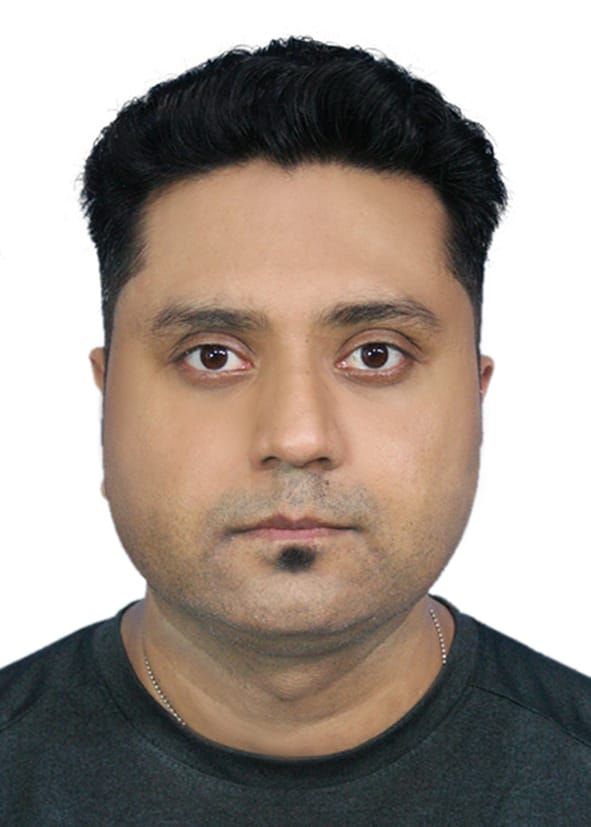
We received exceptional services and timely advice for our spousal sponsorship application from Amir Ismail and his Toronto team. Thank you for making our journey smooth and stress-free.

Very professional and highly recommended, we use their services for assistance in spousal and parents sponsorship. Well handled and timely advice.

Reliable and trustworthy spousal sponsorship consultant. I have been dealing for over 20 years for all the immigration and settlement related needs for my family.

Amir was engaged as our Immigration Consultant, and I was impressed by his deep knowledge and expertise. He guided us through every step of a long and complex process, making it smooth and manageable. When we faced a setback, Amir restarted the process at no cost, showing his true commitment to his clients success. I can confidently recommend him without hesitation.

I highly recommend Mr. Amir Ismail and his firm AIA. I engaged them for the renewal of our Canadian PR cards, a complex case based on compassionate grounds. Amir guided us with professionalism, clarity, and encouragement throughout the process, always upholding the highest ethical standards. Thanks to his expertise and integrity, our PR renewal was approved, and I am grateful for his support.

Mr. Ismail is a top-notch professional with great depth of knowledge over vast areas of immigration matters. His advice is direct and highly effective. I strongly recommend him.

Amir and his team have been very professional and diligent when advising me on the Immigration/visa applications. I really appreciated their consultative approach when answering my queries that were unique to my application. The knowledge and personal touch they bring in gave me a huge confidence during the entire process. I strongly believe that the fast turn-around and successful outcome I have seen can be attributed to the thoroughness Amir brings in to the process. I have already recommended Amir to some of my friends/family and highly recommend him to anyone who is looking for representation in an immigration/visa application.