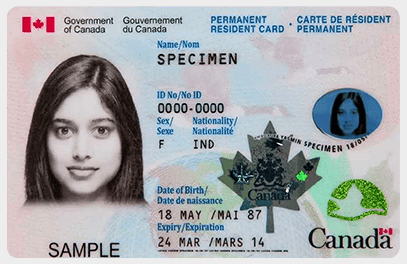

You’ve been away too long. You know it. Now you need to know what actually happens next – and what you can still do about it.
If you haven’t met your Canadian PR residency obligation, you risk losing your permanent resident status. But losing status is not automatic. IRCC and border officers follow a process. You have rights at every step. And in many cases, you can still save your status even when the day count is short.
This guide walks you through exactly what happens – from the moment a review is triggered, through the assessment, to what a potential appeal looks like. No guessing. No vague reassurances. Just the facts, from someone who has handled these files for 35 years.
In This Guide
What Triggers a Residency Obligation Review?
IRCC does not randomly audit PR holders’ travel records. A review is almost always triggered by one of three situations.
Returning to Canada After a Long Absence
When you re-enter Canada, a Canada Border Services Agency (CBSA) officer can ask about your travel history. If their initial check suggests you may be short of 730 days, they can refer you for a secondary examination. This is the most common trigger for residency obligation cases.
Applying for a PR Card Renewal
When you apply to renew your PR card using Form IMM 5444, IRCC reviews Appendix A – the section where you document your physical presence in Canada. If your declared days fall short of 730, IRCC will assess your eligibility before issuing a new card.
Applying for Canadian Citizenship
When IRCC processes your citizenship application, they verify your residency history. A shortfall in your PR residency obligation during the relevant period can complicate your citizenship application and, in some cases, trigger a separate PR status review.
If you know you’re short on days, do not wait for IRCC or CBSA to find out. Get a professional review of your file before you travel back to Canada or before you submit a renewal. Being prepared changes the outcome.
The Three Possible Outcomes
When IRCC or a CBSA officer assesses your residency obligation, there are three possible outcomes. Which one you face depends on how short you are, your personal circumstances, and how your case is presented.
Departure Order
A departure order requires you to leave Canada. If you do not leave within 30 days, it becomes a deportation order. This can happen at the border or following a negative IAD decision.
Procedural Fairness Letter
Before making a decision, IRCC often sends a letter giving you the chance to respond and provide evidence. This is your opportunity. A strong response with the right documentation can change the outcome.
Status Maintained
If exceptions apply, if H&C factors are strong, or if the officer’s discretion favours you, your status remains intact. This is achievable in many cases with proper preparation.
What Happens at the Border?
This is the scenario that catches most people off guard. You’ve been abroad for a long stretch. You’re coming home. A CBSA officer at the port of entry asks how long you’ve been away.
If their initial assessment suggests you may not meet the 730-day requirement, they will refer you to a secondary examination. In secondary, a senior officer reviews your travel history in more detail.
Here is what that officer can do:
- Let you enter – if they’re satisfied you meet your obligation or that exceptions apply
- Issue a Subsection 44(1) report – a formal finding that you may be inadmissible for failing your obligation
- Refer the matter to the Immigration Division – for a formal admissibility hearing
Answer questions honestly. But do not over-explain or guess at your day count out loud. If an officer asks how long you’ve been away, give accurate dates. Do not round up or estimate. Inaccurate statements at the border – even accidental ones – can create much larger problems than the original residency shortfall.
What Is a Section 44 Report?
A Section 44 report is a formal document written by a CBSA officer stating that they believe you are inadmissible to Canada. In a residency obligation case, the basis is that you have not met the 730-day requirement under IRPA Section 28.
Receiving a Section 44 report does not mean you’ve lost your status. It is the start of a process, not the end of one.
| Stage | What Happens |
|---|---|
| Report Written | CBSA officer writes a formal s.44(1) report stating you may have failed your residency obligation |
| Minister’s Review | A delegate of the Minister reviews the report and decides whether to refer it to the Immigration Division or issue a departure order directly |
| Direct Departure Order | If the Minister’s delegate issues a departure order directly, you have 30 days to leave Canada voluntarily or appeal to the IAD |
| Immigration Division Hearing | If referred to the ID, a formal hearing takes place where evidence is presented and a decision is made |
| Appeal to IAD | Any negative finding at the ID can be appealed to the Immigration Appeal Division within 30 days |
“I’ve seen clients walk into secondary with a shortfall and walk out with their status intact because the right exceptions were documented and the officer understood the full picture. I’ve also seen people talk themselves into a Section 44 report that didn’t need to happen. Preparation matters more than most people realize.”
What Happens at PR Card Renewal?
When you submit Form IMM 5444 to renew your PR card, IRCC reviews Appendix A. This is where you declare your physical presence in Canada over the past 5 years.
If your declared days fall short of 730, IRCC will not simply reject your application. They will typically send you a procedural fairness letter first.
What Is a Procedural Fairness Letter?
A procedural fairness letter (PFL) is IRCC’s way of telling you: “We have concerns about your application. Here is what we found. You have a chance to respond before we make a decision.”
You typically have 30 days to respond. This is not the time to panic. This is the time to build your case.
Your response to a PFL can include:
- Documentation supporting qualifying exceptions (spouse, employer, dependent child)
- Evidence of strong ties to Canada – family, property, employment, tax filings
- A legal argument for humanitarian and compassionate consideration
- Any factual corrections to the IRCC assessment
Many clients who receive a procedural fairness letter assume the decision is already made against them. It isn’t. A well-prepared response with strong documentation has reversed initial IRCC concerns many times. Do not respond to a PFL without professional guidance.
Received a Procedural Fairness Letter?
You have a limited window to respond. Let us review your situation and build your response before the deadline closes.
Book Your Assessment NowThe Immigration Appeal Division (IAD) Appeal Process
If IRCC issues a departure order – either directly or through the Immigration Division – you have the right to appeal to the Immigration Appeal Division (IAD). You must file this appeal within 30 days of receiving the order.
The IAD is a quasi-judicial tribunal. It operates like a court but with rules designed for immigration cases. A member hears your evidence and arguments and makes a decision.
What the IAD Considers
The IAD does not just count your days. Under Section 67(1)(c) of IRPA, the IAD can allow an appeal on humanitarian and compassionate grounds, even if you technically failed your obligation. The member weighs a range of factors:
- The extent of your non-compliance – how many days short you are
- The reasons for your time abroad – caring for a parent, a job that ran long, a family emergency
- Your ties to Canada – family here, property, employment history, how long you’ve been a PR
- Whether your Canadian citizen or PR family members would be affected
- Your attempts to return to Canada and maintain your status
- The best interests of any children involved
IAD appeals for residency obligation cases typically take 12 to 24 months from filing to a hearing date, depending on the IAD’s current caseload. File as early as possible. Delays in filing do not help your case.
Humanitarian and Compassionate Grounds
Humanitarian and compassionate (H&C) grounds are not a loophole. They are a real legal avenue written into IRPA. They allow decision-makers to use discretion when the strict application of the rules would produce an unjust result.
H&C grounds are not automatic. You need to argue them with evidence. The strongest H&C cases share a few things in common.
- A compelling reason for being abroad – caring for a dying parent, a medical condition that prevented return, a spouse’s overseas work obligation
- Deep ties to Canada – years of residence before the absence, children in Canadian schools, property ownership, Canadian employment history
- Efforts to comply – evidence that you tried to return sooner but could not
- Impact on family – particularly any children in Canada or Canadian citizen family members who would be separated from you
“The IAD member is a person. They read documents, but they also listen. I’ve seen cases where the numbers were terrible – 400 days in 5 years – and the client still won on appeal because the story was real, the evidence was solid, and the argument was made properly. The day count is not the whole story.”
Evidence That Helps Your Residency Obligation Case
Whether you’re responding to a PFL or building an IAD appeal, evidence wins cases. Here is what actually moves decision-makers.
To Establish Physical Presence in Canada
- Passports with entry and exit stamps (keep all expired passports)
- IRCC travel history from your Secure Account
- Canadian tax returns (T1 General) filed with CRA
- Employment records with dates showing Canadian work
- Lease agreements or mortgage documents
- Children’s school records in Canada
- Canadian bank statements with transaction dates
To Support a Qualifying Exception
- Marriage certificate and proof of cohabitation with a Canadian citizen spouse
- Employment contract with a Canadian company showing overseas posting dates
- Payslips and tax documents from the Canadian employer
- Government or Crown corporation employment records
To Support Humanitarian and Compassionate Grounds
- Medical records – yours or a family member’s – explaining why return was not possible
- Death certificates or caregiver documentation for ill relatives abroad
- Letters from employers explaining why overseas assignment continued
- Affidavits from Canadian family members about impact of potential removal
- Evidence of property, investments, or business in Canada
- Character references from community members in Canada
Every document you submit to IRCC or the IAD becomes part of your record. Submitting the wrong evidence – or evidence that inadvertently contradicts your argument – can harm your case. Have a licensed RCIC or immigration lawyer review everything before it goes in.
Frequently Asked Questions
Worried About Your Residency Obligation?
Book a Residency Obligation Assessment with our team. We review your travel history, calculate your actual standing, and tell you exactly what your options are before you submit anything to IRCC.
Book Your AssessmentWant one page that ties it all together? See our guide to keeping your PR status.