

Citizenship vs Residency by Investment: Which One Fits You?
Citizenship by investment gives you a second passport. Residency by investment gives you the right to live in one country, but your passport stays the same.
Choose citizenship if you want visa-free travel and a plan B without moving. Choose residency if you want to live in a particular country, and you accept its stay rules and a longer road to any passport.

Key Takeaways
- Passport or permit. Citizenship by investment gives you a passport on approval. Residency by investment gives you a permit to live in one country.
- Travel is the big gap. A residence permit does not change your visa-free access. A second passport opens 83 to 157 destinations on the seven programmes we cover.
- Stay rules differ. Most citizenship programmes we cover ask for little or no time in the country. Residency programmes usually ask you to keep a minimum stay and your investment.
- Residency is not a shortcut to a passport. Citizenship through residence usually takes years, and many countries add language and integration tests.
- Both can change. Spain ended its investor residence permit on 3 April 2025, and the US restricts entry for two Caribbean passports today.
What is the difference between citizenship and residency by investment?
Citizenship by investment makes you a citizen and gives you that country’s passport. Residency by investment gives you a permit to live in the country, and your passport stays the same. Everything else in the table follows from that one difference.
| Question | Citizenship by investment | Residency by investment |
|---|---|---|
| What you get | Citizenship and a passport | A residence permit, usually with a renewal date |
| Visa-free travel | The new passport’s access: 83 to 157 destinations on our seven programmes | Unchanged. You travel on your current passport |
| Right to live there | Yes, as a citizen | Yes, while you keep the permit |
| Time in the country | Little or none in most programmes we cover. See the dual citizenship guide and each programme page | Usually a minimum stay to keep and renew the permit |
| Time to the result | Usually 2 to 9 months on the programmes we cover, depending on the programme | Varies by country, and the road to a passport is measured in years |
| Path to citizenship | You are a citizen when approved | Only through that country’s naturalisation rules, after years of residence, often with language tests |
| Cost | From about US$90,000 to US$400,000 on our seven programmes, before fees | Depends on the country, and often an asset you must hold for several years |
| Losing it | Only in specific cases such as fraud or hiding facts | The permit can lapse if you break the stay or investment conditions |
| Your family | One application can include a spouse and children, and some programmes add parents | Usually covered too, with age limits that differ by country |
| Your tax | A second passport does not change where you pay tax | Spending enough days there can make you a tax resident, so take advice |
When does citizenship by investment fit you?
It fits you when you want travel freedom, a plan B and little need to move. You get a passport on approval, and most programmes we cover ask for little or no stay.
- You want visa-free travel. The seven passports we cover open 83 to 157 destinations without a prior visa, depending on the programme.
- You want a plan B without moving. Most programmes ask for little or no stay, so you keep your life where it is.
- You want your family covered. One application can include a spouse and children, and some programmes add parents.
- You want a result in months. Most of our programmes decide within 2 to 9 months, depending on the programme.
See the seven programmes on the citizenship by investment hub, and read what you get and what you do not get.
When does residency by investment fit you?
It fits you when you want to live in one particular country, and you can meet its stay and investment rules. A permit does not give you a passport or any new visa-free travel.
- You want to live in one particular country. A residence permit is built for that. A second passport is not.
- You are happy to meet stay rules. Many permits ask for a minimum time in the country, so check it fits your life.
- You want to hold an asset. Many residency routes ask for property or funds that you keep for years.
- You may want that country’s passport one day. Residence can lead to citizenship, but only after the years and tests that country sets.
We are building our residency by investment pages. Until they are live, tell us your goal with Find my program and we will say which route suits you.
Can residency by investment lead to citizenship?
Sometimes, but not automatically. Many countries let long-term residents apply for citizenship after a set number of years, and many add language and integration tests. Investing alone does not guarantee a passport, so check the naturalisation rules of the country you choose.
If a passport is your main goal, a citizenship programme is usually the more direct route. If living in one country comes first, residency is the more natural start.
Which route fits your goal?
Match your main goal to the route below. If you have two goals, start with the one you cannot give up.
Ready to compare citizenship programmes? Use Find my program to answer a few questions and get a shortlist. Once you have a shortlist, you can then book a strategy consultation.
What risks should you check on either route?
Both routes depend on laws that can change, so check the current rules before you pay. Spain ended its investor residence permit on 3 April 2025, and the EU’s highest court ruled in April 2025 that Malta’s investor citizenship scheme breached EU law.
- Programme changes. Fees, thresholds and stay rules change. A regional 30-day presence rule is agreed for the Caribbean programmes but not yet in force.
- Travel restrictions. The US has restricted entry for Dominica and Antigua and Barbuda nationals since 1 January 2026.
- Your home country. Some countries end your citizenship if you take another. Read our dual citizenship guide first.
- Tax. A passport does not change your tax residence, but days spent abroad can. Take advice in your home country.
Frequently asked questions
What is the main difference between citizenship and residency by investment?
Citizenship by investment gives you a passport and the status of a citizen. Residency by investment gives you a permit to live in a country, and your passport stays the same. The right choice depends on whether you want travel freedom or a place to live.
Does residency by investment give you a passport?
No. A residence permit lets you live in the country but does not change your nationality or your visa-free access. A passport can come later, but only through that country’s naturalisation rules after years of residence.
Can residency by investment lead to citizenship?
Sometimes. Many countries allow long-term residents to apply for citizenship after a set number of years, often with language and integration tests. Investing alone does not guarantee it, so check the rules of the country you choose.
Which is faster, citizenship or residency by investment?
Citizenship by investment is usually faster to a passport, with most programmes we cover deciding in 2 to 9 months. Residency can be quicker to start living in a country but takes years to lead to any passport. Timelines change, so we confirm the current time for your file.
Do I have to live in the country with citizenship or residency by investment?
Most citizenship programmes we cover ask for little or no stay, though Antigua and Barbuda asks for 5 days in 5 years and a regional 30-day rule is agreed but not yet in force. Residency programmes usually ask for a minimum stay to keep the permit. Check each programme’s current rule before you pay.
Can I hold a second passport and a residence permit in another country?
Yes, in many cases. A second passport and a residence permit are different things, and one does not cancel the other. Check your home country’s rules on holding a second citizenship first, as our dual citizenship guide explains.
Which is better for visa-free travel?
Citizenship by investment, because a second passport brings its own visa-free access. A residence permit does not change the access of your current passport. On our seven programmes the passports open 83 to 157 destinations without a prior visa.
Which citizenship program fits you?
Tell us a little about your plans and we will match you with the programs that may suit your family.
We work with the government-authorised representative in each country, who files your application. Your details stay private.

Why clients choose Amir Ismail & Associates
35+ years of hands-on immigration experience and 25,000+ successful cases. 3rd generation in the immigration industry. We work only through officially authorized agents for every citizenship program we file, so you deal with one accountable team from first call to passport.
Authorized agents only
We file only through officially authorized agents for each program, with no intermediaries in between.
A strategy built for your family
We match programs to your goals, budget and passport, not a template.
Application accuracy
Document and source-of-funds review that prevents costly errors and refusals.
Timely updates
We track rule, fee and regulator changes across every program for you.
End-to-end support
From your first eligibility check to your passport in hand, we guide every step.
Proven track record
2026 Canadian Choice Award winner, trusted since 1991.
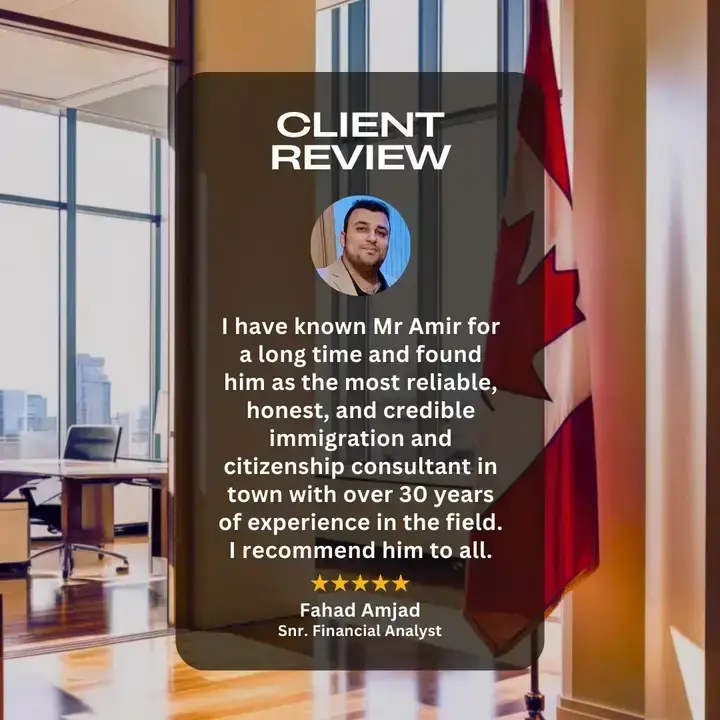
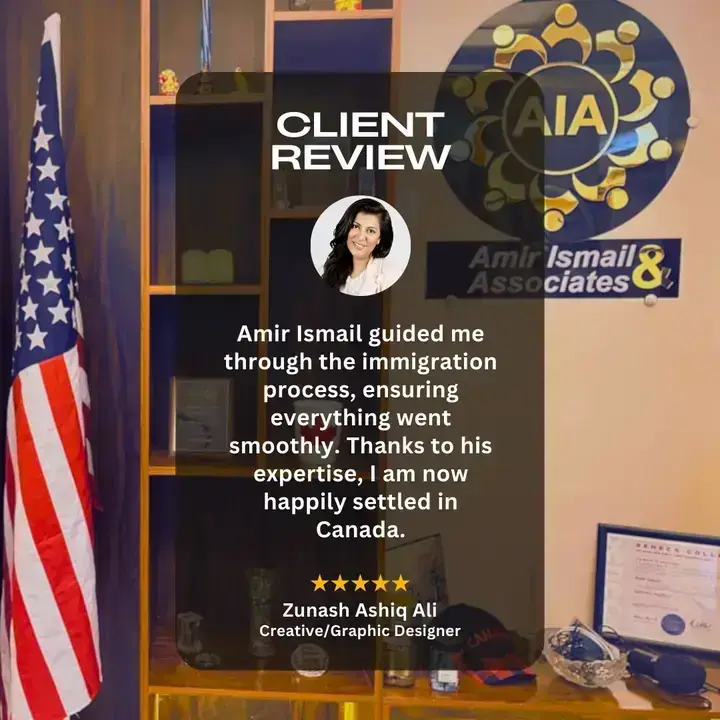
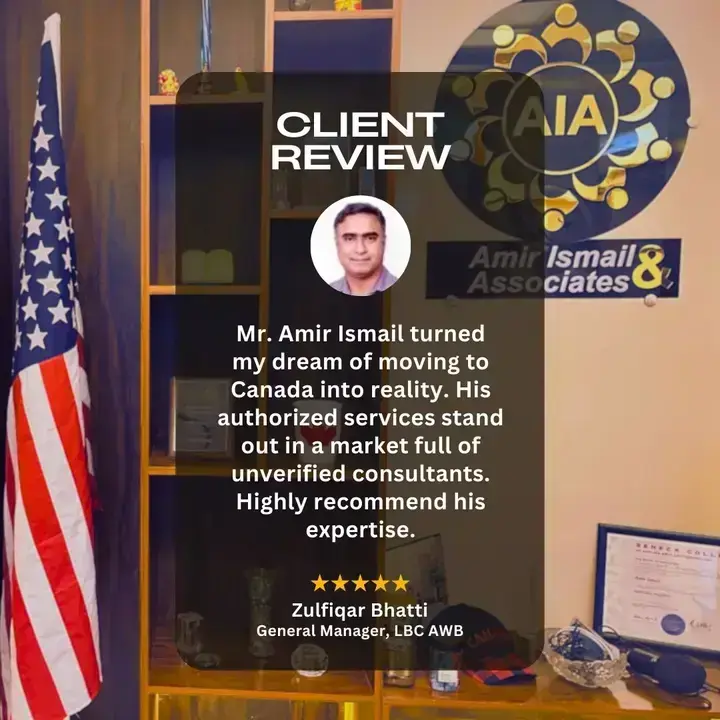
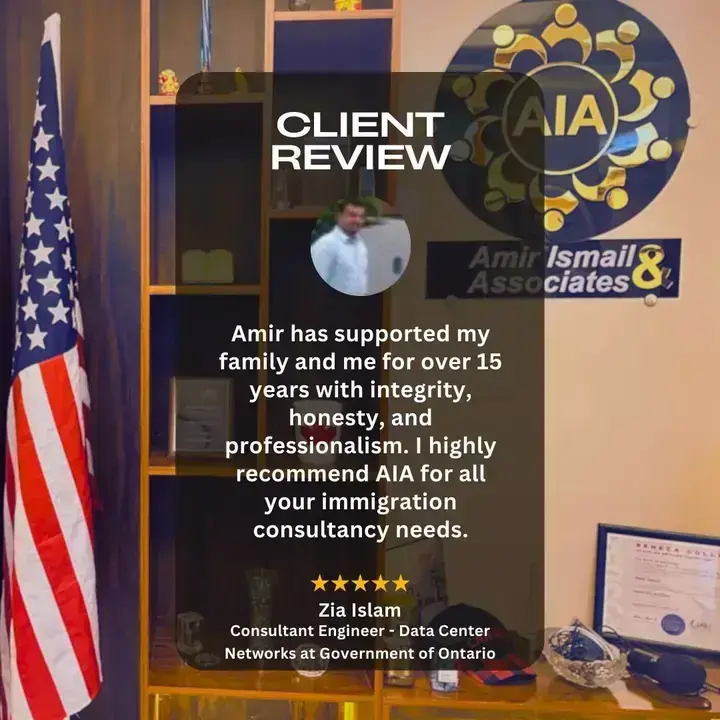
What our clients say
Real reviews from clients we have guided across borders.


Written and reviewed by Amir Ismail, founder of Amir Ismail & Associates. This page is general information and not legal or tax advice.
Last reviewed: 21 October 2026.