Nova Scotia Birth, Marriage and Death Records for Canadian Citizenship by Descent
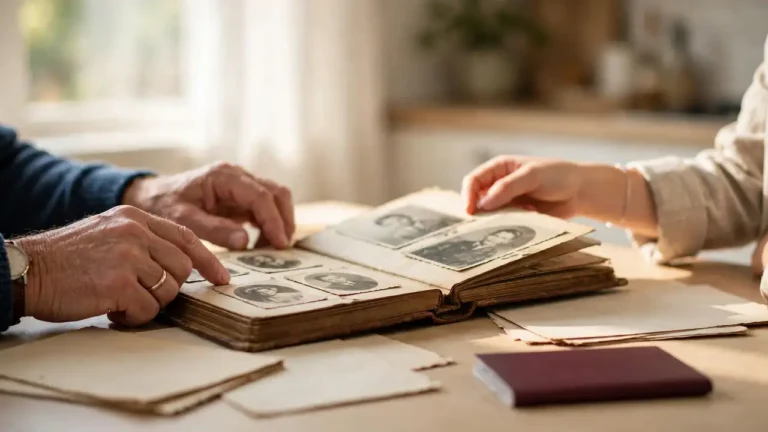
For citizenship by descent, Nova Scotia records sit with two offices. Nova Scotia Archives holds births older than 100 years, marriages older than 75 years and deaths older than 50 years. Service Nova Scotia Vital Statistics holds the newer ones. The cut-off years move forward every year. Ask for the long form, which shows the parents.
30 minutes with Amir. Your pathway mapped. A written plan you keep.
Trusted by 25,000+ families since 1991
Free tool, updated for Bill C-3
Am I a Canadian citizen by descent?
Trace your family line one generation at a time. Each link is tested against the law in force when that person was born, so you see exactly where your chain holds and where it breaks. About three minutes, and no account needed.
Where do I order Nova Scotia records for citizenship by descent?
Use Nova Scotia Archives for births older than 100 years, marriages older than 75 years and deaths older than 50 years, and Service Nova Scotia Vital Statistics for newer events (Nova Scotia Archives). The cut-off years move forward every year.
The Archives publishes a searchable online database of these records, so you can find the entry before you request a copy.
Which Nova Scotia birth document should I order?
Order the long form birth certificate. It includes the names of the parents, while the short form does not. IRCC asks for long form documents in historical citizenship cases when parentage needs to be shown.
What to know before you order
Fees: $39.90 for a long form birth or death certificate, $33.00 for a short form
Search: a three year records search costs $6.25
Archives copies: request a certified copy through the Archives online process, because screenshots do not replace certified copies
Which office holds your record?
The age of the event, or the type of record, decides the office.
Key facts from official Nova Scotia sources, checked October 2026. Last updated: October 2026.
Archives: births
Before 1924
Archives: marriages
Before 1949
Archives: deaths
Before 1974
Long form certificate
$39.90
Short form certificate
$33.00
Three year search
$6.25
Source
Nova Scotia Archives and novascotia.ca, 2026
“My mission is simple: to help you build a future in Canada with clarity, confidence, and credibility.”
Amir Ismail, RCIC #R412319 · Founder
Why clients choose Amir Ismail & Associates
35+ years of hands-on immigration experience and 25,000+ successful cases. 3rd generation in the immigration industry. Our team includes Rijah Amir, also a licensed RCIC, so every file gets a second expert review.
Licensed expert guidance
Advice from CICC-licensed RCICs, not sales staff or unlicensed agents.
A strategy built for your profile
We identify the fastest realistic pathway for you, not a template.
Application accuracy
Documentation review that prevents costly errors and refusals.
Timely updates
We track every draw, policy shift and IRCC announcement for you.
End-to-end support
From eligibility checks to landing, we guide every step.
Proven track record
2026 Canadian Choice Award winner, trusted since 1991.
Use Nova Scotia Archives for births older than 100 years, marriages older than 75 years and deaths older than 50 years, and Service Nova Scotia Vital Statistics for newer events (Nova Scotia Archives). The cut-off years move forward every year. Start at the Nova Scotia Archives vital statistics database.
A long form birth or death certificate costs $39.90, and a short form costs $33.00. A records search for three years costs $6.25 (novascotia.ca, checked October 2026). See the fee page.
Order the long form. It includes the names of the parents, while the short form does not, and IRCC needs the parent and child link for every generation.
Records move to the Archives when they become inactive: births after 100 years, marriages after 75 and deaths after 50. The cut-off years therefore move forward each year.
Search the free online database, then request a certified copy through the Archives online request process. Screenshots or downloaded images cannot replace a certified copy. Check the Archives for current fees and timing.
No. It proves one link in your chain. You need documents for every generation, and then you apply to IRCC for a citizenship certificate. See our citizenship by descent guide.